

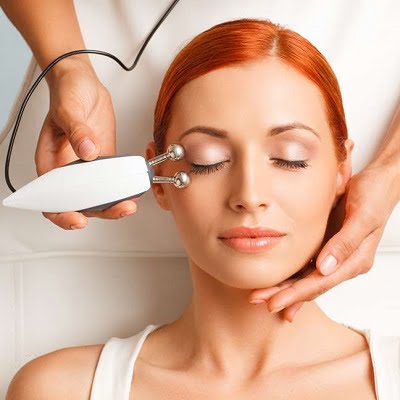
Skincare has moved far beyond cleansers and moisturisers. As people look for ways to support skin health without invasive procedures, technology-driven tools have become increasingly common in at-home routines. One of the most discussed innovations in this space is radiofrequency technology, now widely used in cosmetic skin treatments and adapted for personal use.
Radiofrequency is not a trend built on instant results. Instead, it is valued for its ability to work gradually with the skin’s natural processes, making it appealing to those who prefer steady improvement over dramatic intervention.
How Radiofrequency Interacts With the Skin
Radiofrequency treatments work by delivering controlled energy to the deeper layers of the skin. This energy creates gentle heat, which encourages collagen fibres to contract and supports the skin’s natural renewal cycle. Collagen plays a central role in skin structure, helping maintain firmness, elasticity, and resilience.
Unlike surface-level treatments that focus only on exfoliation or hydration, radiofrequency addresses changes that occur beneath the epidermis. This is why results tend to appear progressively, often over several weeks of consistent use.
The Appeal of Handheld RF Devices
As professional treatments became more popular, demand grew for devices that could be used safely at home. Handheld radiofrequency tools were developed to meet this need, offering lower energy output while maintaining the same underlying principles used in clinics.
These devices are typically designed for facial areas where early signs of ageing are most noticeable, such as the cheeks, jawline, and neck. When incorporated into a regular skincare routine, they support skin conditioning rather than acting as a one-time solution.
For those exploring how these tools are structured and regulated for personal use, this example of a Baguette de radiofréquence illustrates how professional concepts are translated into consumer-friendly skincare technology.
Consistency Over Quick Fixes
One of the most important aspects of radiofrequency skincare is understanding expectations. RF technology does not offer immediate tightening in the way cosmetic injectables do. Instead, it relies on the body’s biological response to heat, which takes time.
Short, regular sessions tend to be more effective than infrequent or overly intense use. Many users find that integrating RF treatments into weekly routines aligns well with long-term skin maintenance rather than short-term cosmetic correction.
Safety and Responsible Use
Because radiofrequency devices emit electrical energy, safety standards are essential. Certified devices are tested to ensure controlled energy delivery, surface temperature regulation, and material compliance. These factors help minimise the risk of irritation while supporting consistent performance.
Users are generally advised to apply a conductive gel, avoid broken or inflamed skin, and follow recommended usage guidelines. When used correctly, RF devices are considered low-risk and suitable for a wide range of skin types.
Who Typically Uses RF Skincare Tools?
Radiofrequency skincare tools are often chosen by individuals noticing mild to moderate changes in skin firmness rather than advanced sagging. They are particularly popular among those in their late twenties through forties who are focused on prevention and maintenance.
Rather than replacing professional treatments, at-home RF tools are commonly used to support results between clinic visits or as part of a broader skincare strategy focused on long-term skin health.
A Shift Toward Technology-Led Skincare
The rise of radiofrequency tools reflects a larger movement toward evidence-based skincare. Consumers are increasingly interested in how and why a treatment works, not just what it promises to deliver.
As technology continues to shape personal care, radiofrequency devices are likely to remain a staple for those seeking non-invasive ways to support skin firmness and texture—without needles, downtime, or dramatic intervention.


